

-
 Bank Ranking
Banks Ratios
Cement Statistics
Cement Ranking
Cement Ratios
Monetary and Economic Statistics
Oil, Gas and Fuel
Macro Economy
Consumer Spending
Inflation
Exports & Imports
Food Prices
Non Food Prices
Construction Materials
Petrochem. Ranking
Petrochem. Ratios
Retail Rankings
Retail Ratios
Grocery Ranking
Grocery Ratios
Top Growth
Dividend History

Saudi Ceramics expects strong demand to sustain in Q4 2026

 AI Summary

Content Summary: 
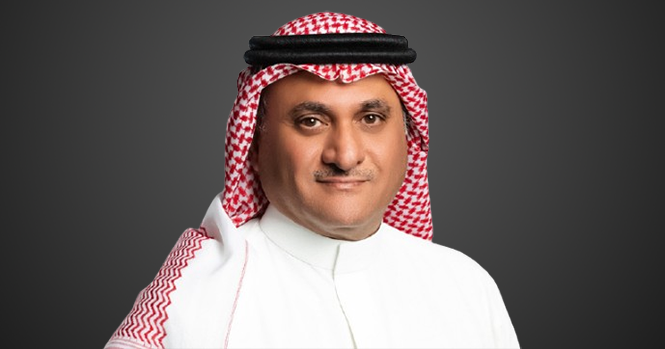
Azzam Almudaiheem, CEO of Saudi Ceramics
Demand for water heaters typically increases during the quarter due to seasonal factors, he said.
He said the Q3 results reflected the positive impact of initiatives launched in 2024 to enhance operational efficiency, improve productivity, streamline costs, develop sales channels and expand customer reach, as sales increased and profitability margins improved significantly.
He noted that the company recorded growth in domestic sales and exports, supported by higher tile sales volumes, particularly porcelain tiles, and improved average selling prices. The GCC markets were the largest contributors to export growth.
Regional geopolitical developments also bolstered demand for the company's products in certain neighboring markets, despite challenges related to shipping and transportation costs and supply chains. The company successfully navigated these challenges through alternative transportation routes and proactive operational measures, he added.
Almudaiheem also discussed progress on rebuilding the power station damaged by a fire, additional costs associated with alternative energy sources, plans to expand the showroom network, and the company's demand outlook and expected performance in the coming period.
The detailed interview follows:
Q: Saudi Ceramics' net profit surged 345% to SAR 28.75 million in Q3 2026, supported by sales growth and improved profitability margins. How do you assess these results?
The company's Q3 2026 financial results reflect continued improvement in its operational and financial performance, as the positive impact of initiatives launched in 2024 begins to materialize. These initiatives focused on enhancing operational efficiency, improving productivity, rationalizing costs, developing sales channels and strengthening customer reach.
Saudi Ceramics posted a net profit of SAR 28.75 million in Q3 2026, compared with approximately SAR 6.7 million in the corresponding period last year, an increase of 327%. Net profit also rose 42% compared with Q2 2026, reflecting sustained improvement in profitability.
The significant improvement in profitability margins was among the quarter's key performance highlights. Gross profit margin rose to 32%, compared with 28.4% in Q3 2025, 21.3% in 2024 and 19.5% in 2023, reaching its highest level in five years, since 2022.
This improvement was driven by several operational initiatives, including enhanced production line efficiency, increased capacity utilization rates, human resources restructure and improved workforce productivity, alongside tighter production cost controls and reduced waste, while maintaining the company's high product quality standards.
These efforts contributed to a 31.4% increase in gross profit to SAR 132.7 million.
We believe the significance of these results extends beyond net profit growth to the sustained improvement in the company's underlying operational and financial indicators. This demonstrates the effectiveness of initiatives implemented over the past period and the integration of efforts to improve production efficiency, drive sales growth and manage costs.
We will continue focusing on these priorities to support sustainable operational performance, strengthen the company's competitiveness and create additional shareholder value.
Q: Revenue increased 16.4% in Q3, driven by higher tile sales volumes and improved average selling prices, particularly for porcelain products. To what extent did volume growth versus higher selling prices contribute to revenue growth? How do you assess domestic demand for the company's products?
Revenue increased 16.4% in Q3 2026, rising by approximately SAR 58 million to SAR 414.1 million, marking the company's highest Q3 sales in a decade.
Growth was primarily driven by stronger tile sales. In terms of the contribution from volumes and prices, higher sales volumes accounted for the largest share of revenue growth in the tile segment, particularly porcelain products, which recorded a substantial increase in sales volumes compared with the corresponding quarter last year.
Improved average selling prices, supported by a favorable sales mix and a higher contribution from porcelain products, also boosted revenue growth and profitability margins.
In the domestic market, sales increased 15% in Q3, rising by approximately SAR 49 million year-on-year (YoY). Domestic sales also grew 8%, or SAR 28 million, compared with Q2 2026.
This positive performance extended into the first nine months of 2026, with domestic sales increasing 13.3% to SAR 1.08 billion, reflecting continued healthy demand for the company's products in the Saudi market.
We believe this growth demonstrates the success of the company's strategy to expand its product reach and attract a broader customer base by developing sales channels, expanding its showroom network and strengthening customer relationships across various segments.
The diversity of the company's product portfolio and its ability to meet the needs of different market segments also supported this performance.
Overall, we consider domestic demand for the company's products to be strong and positive. Our sales growth rates exceed the broader market growth rates we monitor, reinforcing our assessment that the company continues to gain market share, supported by its strong brand, product quality, extensive distribution network and ability to respond to customer requirements.
Q: Export sales grew 32.5% in Q3. Which overseas markets contributed most to this growth?
Saudi Ceramics exports its products to more than 40 countries worldwide, with GCC markets accounting for the largest contribution to export sales growth in Q3 2026.
This growth aligns with the company's strategy to strengthen its international presence, broaden its customer base and increase market share, capitalizing on its diversified product portfolio, quality standards and competitiveness in regional and international markets.
Q: To what extent did regional geopolitical developments during Q3 affect demand, transportation and logistics costs, and export activity?
Regional geopolitical developments in Q3 2026 had varying implications for the company's operations. We did not observe any material adverse impact on domestic demand, with local sales continuing to grow by 15% YoY.
These developments also strengthened demand for the company's products in certain neighboring regional markets, positively affecting export activity.
Conversely, disruptions to regional transportation networks and supply chains increased shipping, transportation and logistics costs, affecting both raw material imports and product exports.
These increases were partially reflected in raw material costs within operating expenses, as well as transportation costs under selling and distribution expenses.
The company responded to these challenges with operational flexibility, implementing proactive measures to mitigate their impact. These included using alternative transportation routes when necessary and strengthening coordination with suppliers and logistics providers, helping maintain supply chain stability, sustain normal production operations and fulfill customer commitments without disruption.
Overall, the company successfully managed the logistical challenges associated with these developments while capitalizing on opportunities in certain export markets, demonstrating the resilience of its business model and its ability to adapt to regional changes.
We continue to monitor these developments and assess their potential implications for operating costs and supply chains, recognizing that the extent of any future impact will depend on the duration and nature of these developments.
Q: In August, Saudi Ceramics announced that a fire had damaged a power station supplying one of its tile production lines, resulting in additional costs estimated at SAR 1.8 million per month for alternative energy sources. What is the progress on rebuilding the station, and when is normal power supply likely to resume? How much has the company incurred in additional costs so far, and do you expect full reimbursement from the insurer?
The company is currently undertaking the necessary procedures to rebuild the power station. Following management's efforts, production lines resumed operations using alternative power sources on Sept.10, 2026. The company has absorbed and managed the additional costs, aiming to reduce them gradually until reconstruction is completed. Consequently, the fire had no material impact on the company's performance.
The company maintains comprehensive insurance coverage for property damage and business interruption. Accordingly, the insurance claim settlement is expected to cover the additional costs. Claims procedures remain ongoing in coordination with the insurer, and the company will announce any material developments as they arise.
Q: How many showrooms did Saudi Ceramics operate at the end of Q3 2026?
The company currently operates 71 showrooms across Saudi Arabia, including five new showrooms opened this year. It continues to gradually expand its showroom network as part of its strategy to drive growth and broaden its market presence.
Q: What is your outlook for demand, product prices and company performance in Q4 2026?
We expect demand for the company's products to remain healthy in Q4 2026, particularly for tiles and sanitary ware, supported by sustained domestic demand across various customer segments. The fourth quarter also typically witnesses increased demand for water heaters due to the seasonal nature of this product category.
As for selling prices, the company will continue managing its pricing policies in line with market developments and challenges arising from higher production, transportation and logistics costs, while maintaining product competitiveness and meeting customer needs.
Comments {{getCommentCount()}}
Be the first to comment
رد{{comment.DisplayName}} على {{getCommenterName(comment.ParentThreadID)}}
{{comment.DisplayName}}

{{comment.ElapsedTime}}


Comments Analysis: